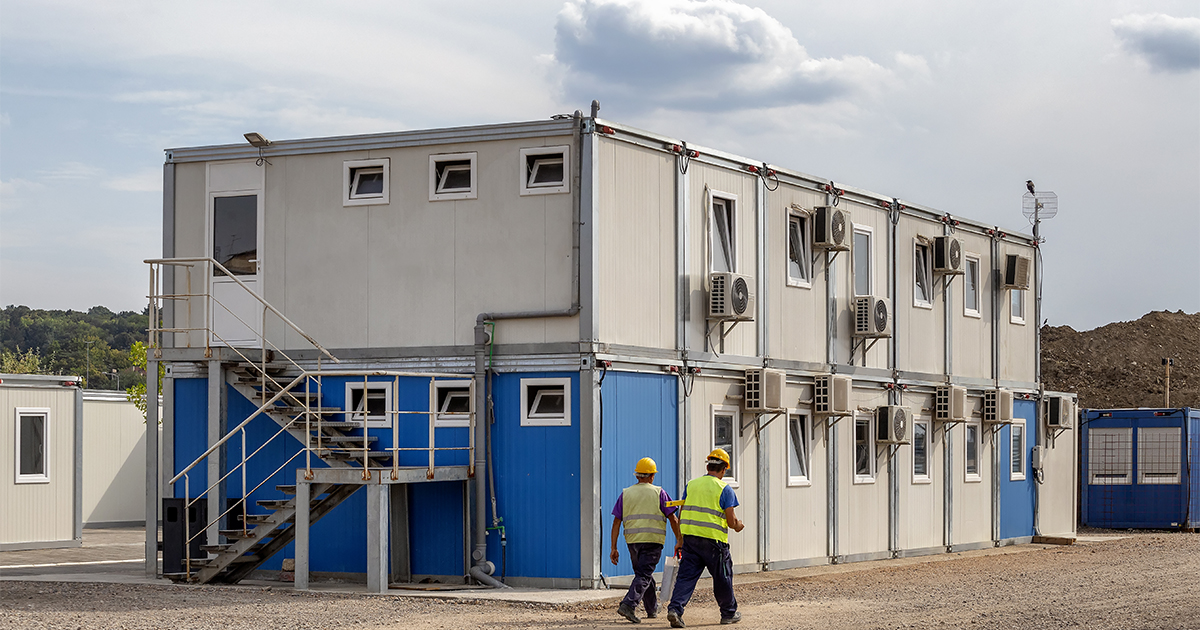

Fires kill, injure and cause serious human suffering and financial loss every year in the construction industry. On many construction sites, the danger of fire is severe as high-risk activities such as hot work are frequently combined with environments and materials that help fires spread quickly and that may make escape difficult.
Construction site fire safety needs to be managed from the earliest stages of design and procurement and it is the duty of the Responsible Person to have the risks to site workers and site neighbours assessed.
Choosing the best fire alarm options for construction sites can help save lives and be an invaluable asset throughout the duration of work.
What type of fire alarm should be used on-site?
On a construction site, it’s not only the initial installation of fire alarm systems that need to be planned. A construction site is a temporary fixture that is constantly developing and being reconfigured.
The original location of a fire alarm may end up being unsuitable when the location and nature of the work changes. The application, design and operation of temporary wireless fire alarms make them a suitable fit for these conditions.
Temporary fire alarms are wireless and therefore don’t need to be wired into the infrastructure, making them easier to move around as the site develops. Unlike the completed building that will have a fire alarm built into the management system, construction site fire alarms must be designed to adapt with the build.
When choosing a fire alarm for a construction site, any choice the Responsible Person makes must ensure the systems are compliant with fire safety standards and relevant codes of practice. Not all wireless fire safety systems are the same and so care is required in selection. We’ll discuss more compliance below.
How does a temporary alarm system work?
Temporary fire alarm systems, in practice, work in the same way that any other standard fire alarm does, aiming to mitigate the risk of fire and encourage fast response to emergencies.
The key difference and advantage of temporary alarm systems is their design. As a wireless device they can be repositioned without reprogramming into the site’s circuitry; simply install and uninstall the self-contained units as required.
Wired systems can significantly slow down the work of subcontractors on site that encounter them. At the next phase of the development, when you’ve invested time, effort and money into getting these workers onto the site, there’s now a wired system in the way that needs to be dismantled and reinstalled elsewhere to maintain suitable safety measures.
No wires also mean that no specialist tradespeople such as electricians are required and there’s no threat during cutting or drilling that someone will catch the loose wires of the fire alarm.
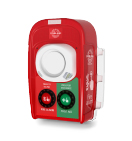
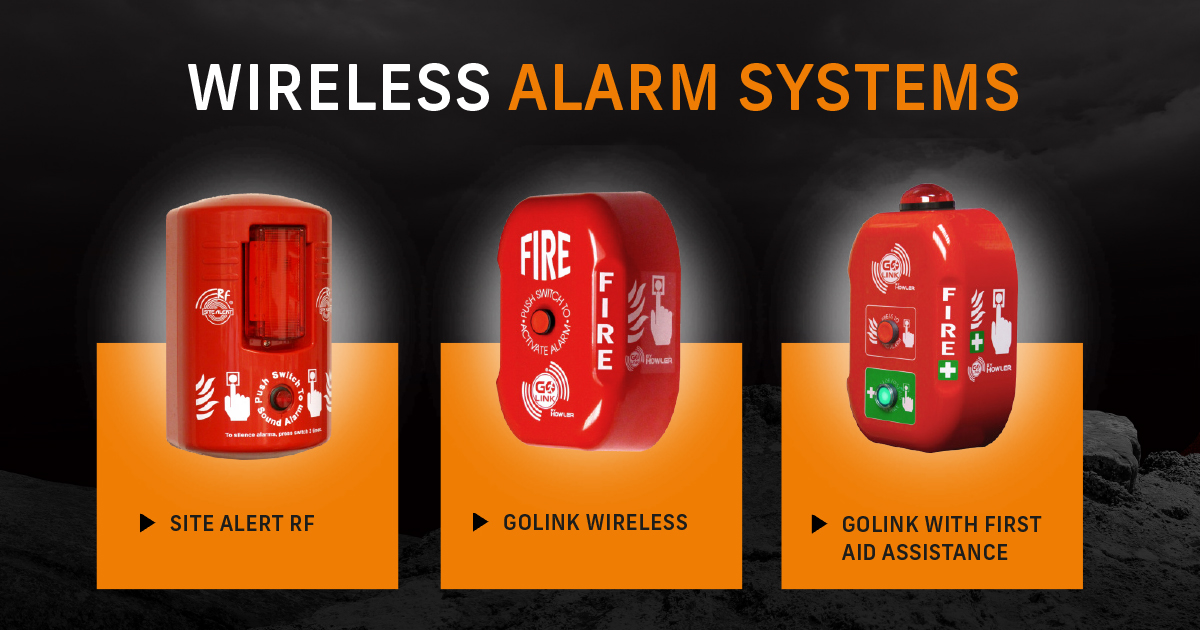
The Go-Link alarm systems designed by Howler have the same strengths as any wired system but with the addition of wireless connectivity. With a singular control system, that can connect up to 127 stations, you can have your whole site covered for early detection.
When utilised with wireless detectors, alarm systems can send a site-wide early warning alarm throughout the building using the wireless connectivity to make sure workers in every area are alerted as quickly as possible. Construction sites can be huge places and getting the message from one side to the other isn’t easy without a system that can have the alarm there in a matter of seconds through wireless communication.
For noisier areas, or wear ear protection reduces hearing, visual warning becomes essential to this system. The red flashing beacon enhancement offers a vital, attention-grabbing addition to the audible warning of the siren.
How to install a wireless alarm system?
As temporary alarm systems may need to be moved frequently, the simple and hassle-free installation will help reduce downtime on-site and ensure that fire safety is always present.
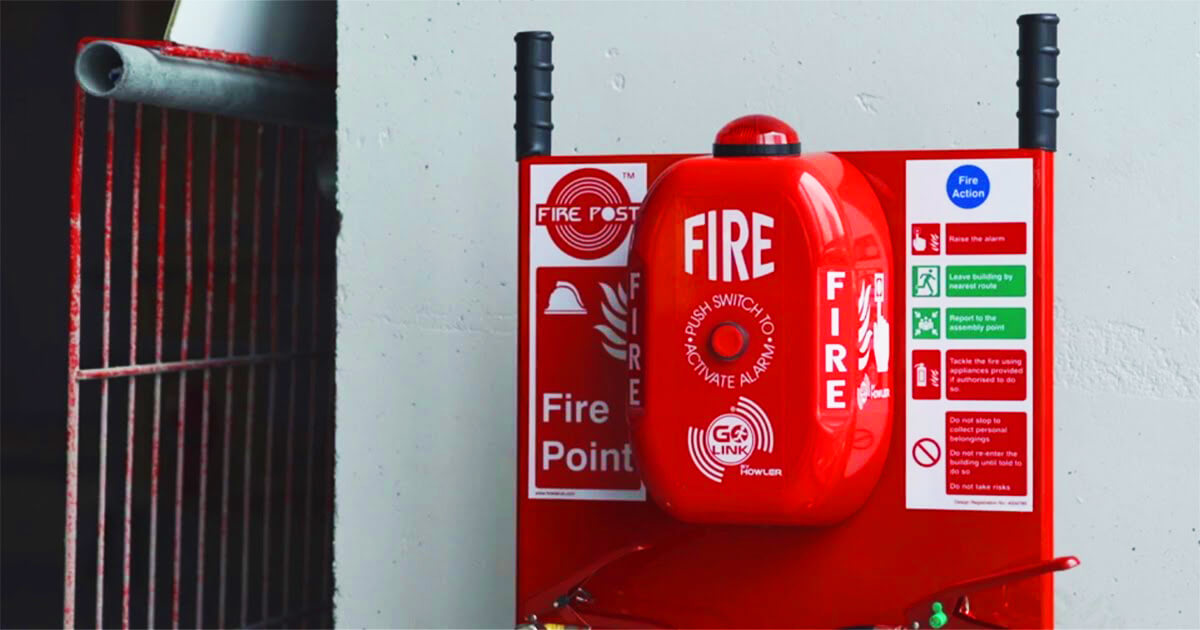
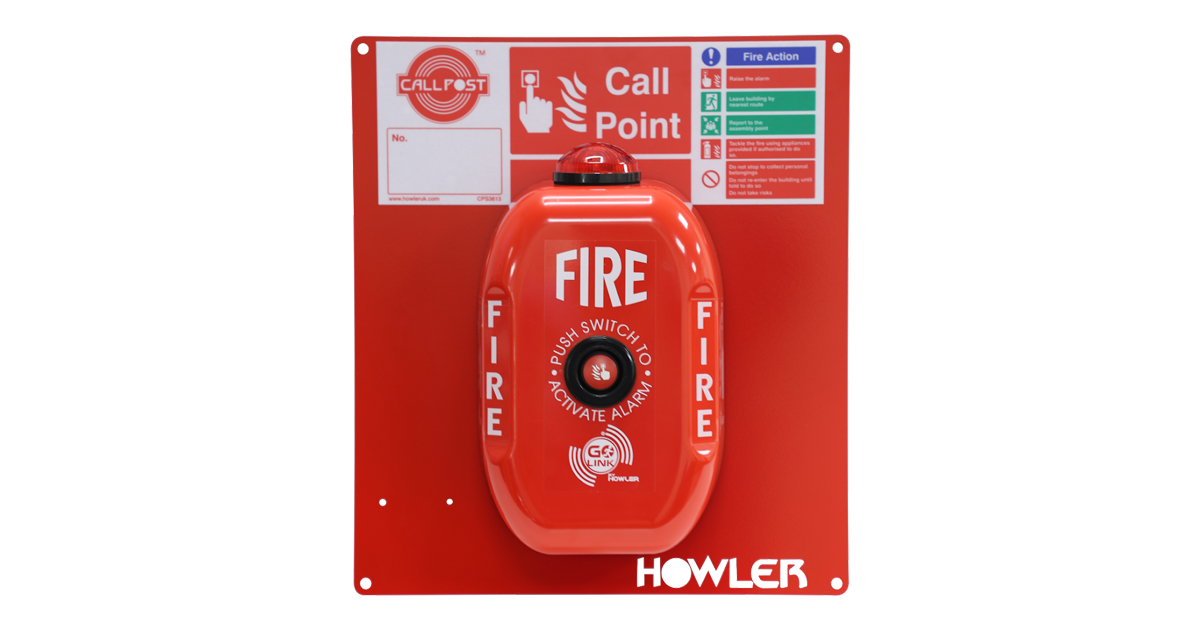
All Howler alarms are best mounted on a secure backboard, and our FirePost and CallPost range provide the perfect installation solutions.
CallPost
The CallPost is designed to provide a professional mounting board for any model of Howler alarm, making installation quicker and more flexible The board comes with all necessary fixing holes and fixing bolts. Simply fasten the wireless alarm system to the robust backboard and use the pre-drilled holes and supplied fixings to secure it to a surface.
These mounting boards can be used over and over again by installers wanting a speedy installation and relocation experience. With 127 alarm systems possible per control panel, the CallPost also features a designated call point number space to help workers identify their position.
FirePost
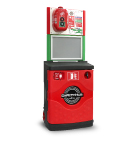
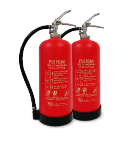
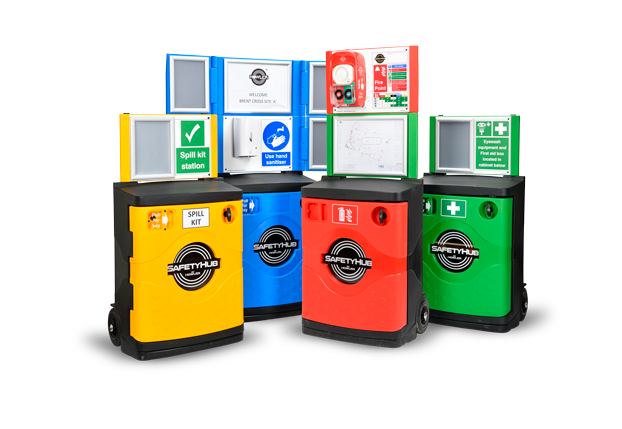
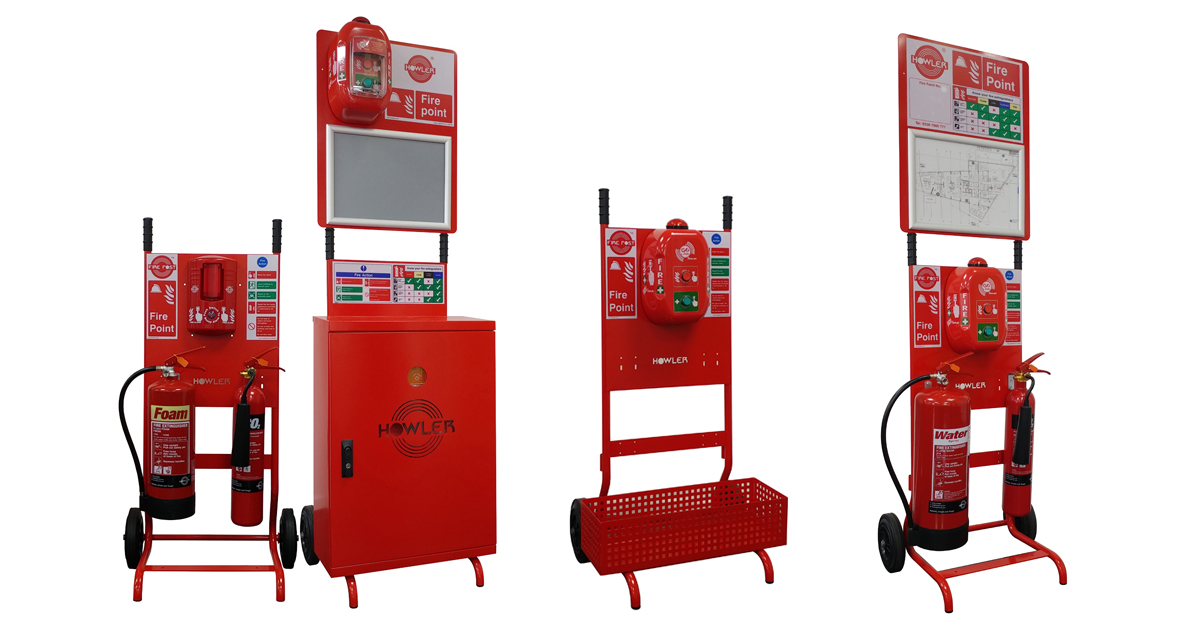
The FirePost is designed modularly, enabling you to ‘grow’ the fire point to the size of your choice. This mobile unit can be used to store fire safety equipment such as fire extinguishers and first aid signage and can be completely tailored to the specific fire safety requirements of individual work sections.
The backboards come with laser-cut fixings holes in position for fitting accessories such as Howler alarms. This speeds up the installation process dramatically and should you need to take the alarm elsewhere, you don’t need to remove the fire alarm system…you can just wheel the mobile FirePost to a new position.
What regulations do temporary fire alarms need to meet in site accommodation units?
Temporary buildings or temporary accommodation located
a) inside the building under construction/refurbishment
b) inside another permanent building
c) within 10m of such building(s)
must be fitted with fire detection systems complying with a recognised Category of Installation as set out in BS 5839-1.
BS 5839-1:2017 provides recommendations for the planning, design, installation, commissioning and maintenance of fire detection and fire alarm systems in and around non-domestic buildings.
For a fire alarm system to comply fully with BS 5839-1, the devices used in the system must comply with the relevant parts of BS EN54.
Fire safety professionals will never specify a fire alarm system compliant with BS EN54, because BS EN54 gives you no indication of what the overall fire alarm system should look like. At Howler, we refer to BS 5839-1, which cross-references to BS EN54.
For more information on ensuring safety and compliance, we offer FREE technical resources to help improve the way people think and understand fire safety.
Howler is passionate about innovation and ensuring everything we do is in the name of improving fire safety. Our products are designed to withstand the rigours and tests of the construction site and their easy-to-use, simple to set up features are a key advantage.
With first-aid variations and numerous model options available, you can choose the style that meets the exact specifications of your site.
If you have any questions about our systems or meeting fire safety standard on-site, don’t hesitate to contact Howler today on +44 (0)330 7000 777 or email [email protected]